
ORGANIZE THE RESPONSE.
PRESERVE THE ANSWERS.
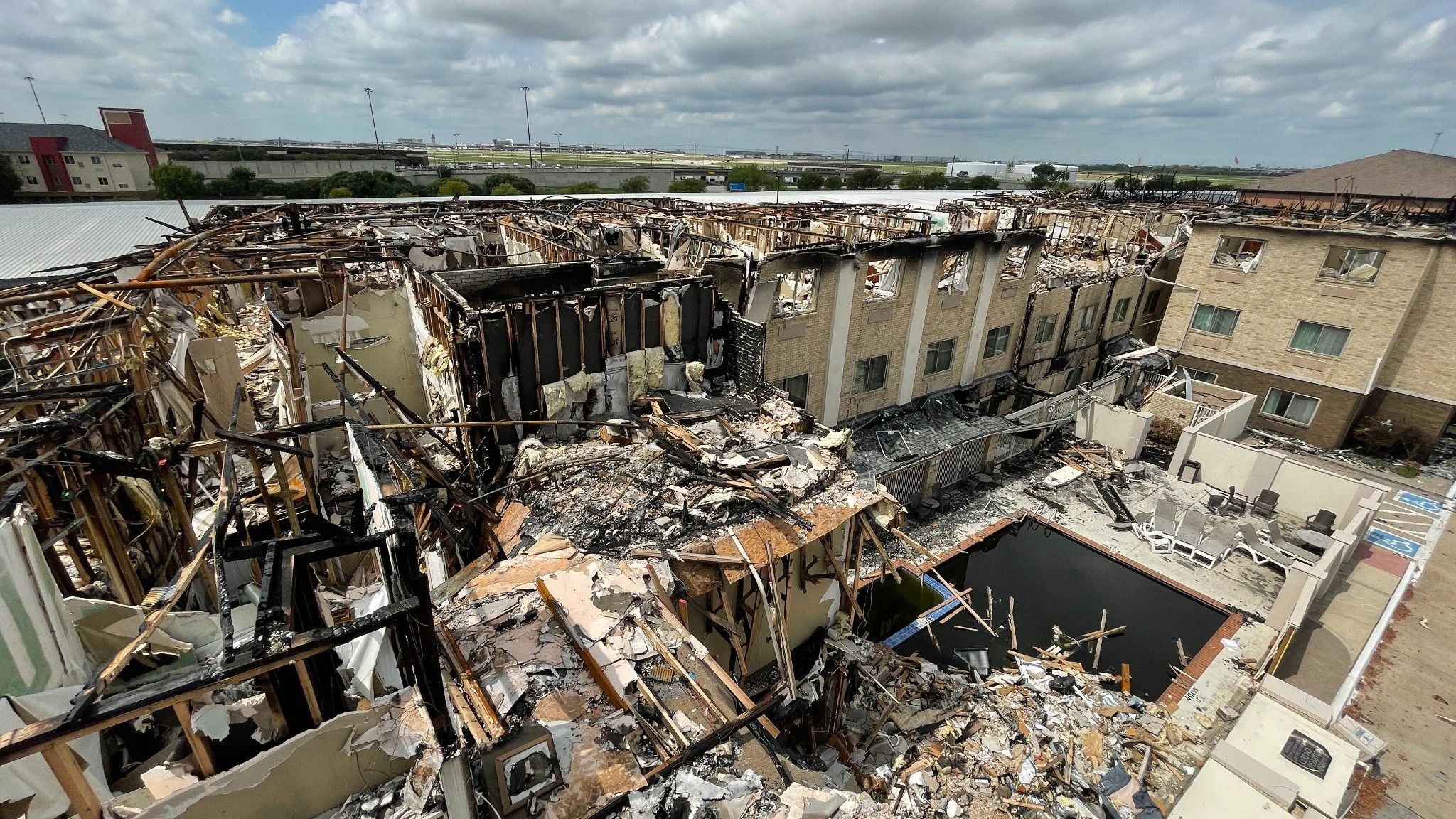
Complex losses require a coordinated and systematic forensic process that accounts for scene safety, access, evidence priorities, changing conditions, specialized disciplines, and clear communication without compromising independent analysis.
CONTROL THE PROCESS.
KEEP THE ANALYSIS INDEPENDENT.
The forensic response advances through defined technical checkpoints. Each systematic phase confirms and dictates the next priority, providing an opportunity to adjust when additional work no longer adds meaningful analytical value.
STABILIZE
Confirm safety, access, immediate documentation, and preservation needs.
DOCUMENT
Create an organized record before conditions change or material is disturbed.
ASSESS
Evaluate available data, technical questions, parties, and specialist needs.
EXAMINE
Coordinate systematic scene work, evidence recovery, testing, and analysis.
COMMUNICATE
Provide status, findings, limitations, and the appropriate next technical step.
COORDINATE THE PARTIES.
PROTECT THE ANALYSIS.
Joint activity should expand access to information without directing the investigative result.
SHARED FIELD
PROTOCOLS
Establish safety boundaries, examination procedures, documentation expectations, and evidence controls before coordinated work begins.
DEFINED EXPERT
ROLES
Coordinate fire investigation, engineering, laboratory, and specialty disciplines while each expert independently evaluates the evidence within their assigned scope.
ANALYTICAL
CHECKPOINTS
Review what is known, identify remaining technical questions, and determine whether additional work is analytically justified.
A COMPLETE RECORD.
CLEAR TECHNICAL DIRECTION.
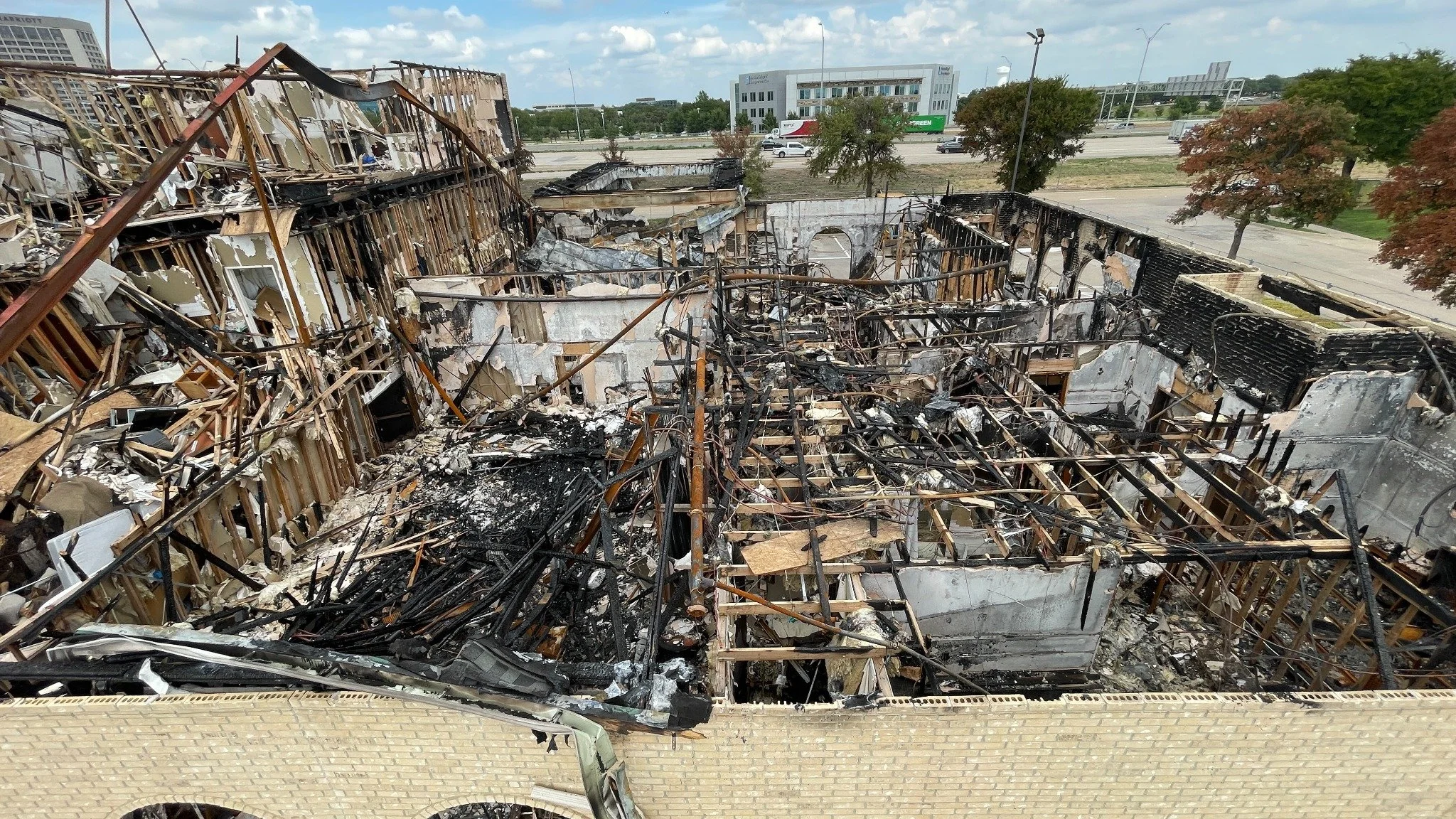
Each complex-loss assignment produces an organized body of work that allows stakeholders to understand the scene, the analysis performed, the limitations encountered, and the next technically appropriate step.
DOCUMENTED SCENE
RECORD
Systematic photography, diagrams, aerial or 3D documentation when appropriate, and a traceable record of significant scene conditions.
EVIDENCE & CUSTODY
RECORD
Identification, collection, packaging, preservation, and transfer documentation for retained items and components.
FINDINGS &
LIMITATIONS
Timely communication of preliminary observations, developed findings, unresolved questions, and conditions affecting the analysis.
TECHNICAL REPORTING
& SUPPORT
Clear reporting supported by the investigative record, with testing, expert review, or continuing analysis coordinated when required.
PROFESSIONAL.
RESPONSIVE.
DEFENSIBLE.
Complexity should produce stronger organization, not unnecessary complication. The response remains focused on reliable scene work, traceable evidence controls, independent analysis, and communication stakeholders can use.
WHEN THE LOSS REQUIRES
A COORDINATED RESPONSE.
Vector supports major and multi-party fire or explosion losses with the field structure, technical resources, and investigative documentation needed to move a complex matter forward.