
Find the Origin.Explain the Cause.
Every fire claim begins with questions that can disappear as cleanup, repairs, and evidence release move forward. Vector examines the scene, tests competing hypotheses, evaluates potential ignition sequences, and identifies the sequence supported when the available data permits. We translate those findings into clear direction for recovery, liability, defense, and claim resolution.
Answers that support the next claim decision.
A defensible origin and cause investigation should explain what happened, how the available evidence supports the conclusion, what remains unknown, and what the findings mean for the claim.
Vector’s role is not to advocate for a preferred outcome. It is to follow the evidence wherever it leads, test competing hypotheses objectively, and communicate supported conclusions, limitations, and unanswered questions with equal clarity.
A conclusion is only as strong
as the questions it answers.
Every assignment is different, but a thorough examination must connect the essential elements:
fire patterns, scene data, ignition sources, first fuels, sequences, and supported causation.
Area of Origin
Where did the fire begin based on patterns, fire dynamics, witness information, scene conditions, and supporting data?
Competent Ignition Source
What heat-producing source was present, capable, and supported by the available evidence?
First Fuel Ignited
What material was first ignited, and was it capable of being ignited by the identified source?
Ignition Sequence
How did the source, fuel, circumstances, and fire development connect in a scientifically supported sequence?
Cause & Classification
What causal explanation is supported, and how should the incident be classified based on the totality of the evidence?
Questions before conclusions. Evidence before assumptions. Always.
Systematic from intake
through delivery.
The process is scaled to the assignment while preserving the methodology required for a reliable and defensible result.
Intake
& Scope
Clarify the claim question, scene status, involved parties, preservation priorities, response timing, and anticipated scope.
Scene
Examination
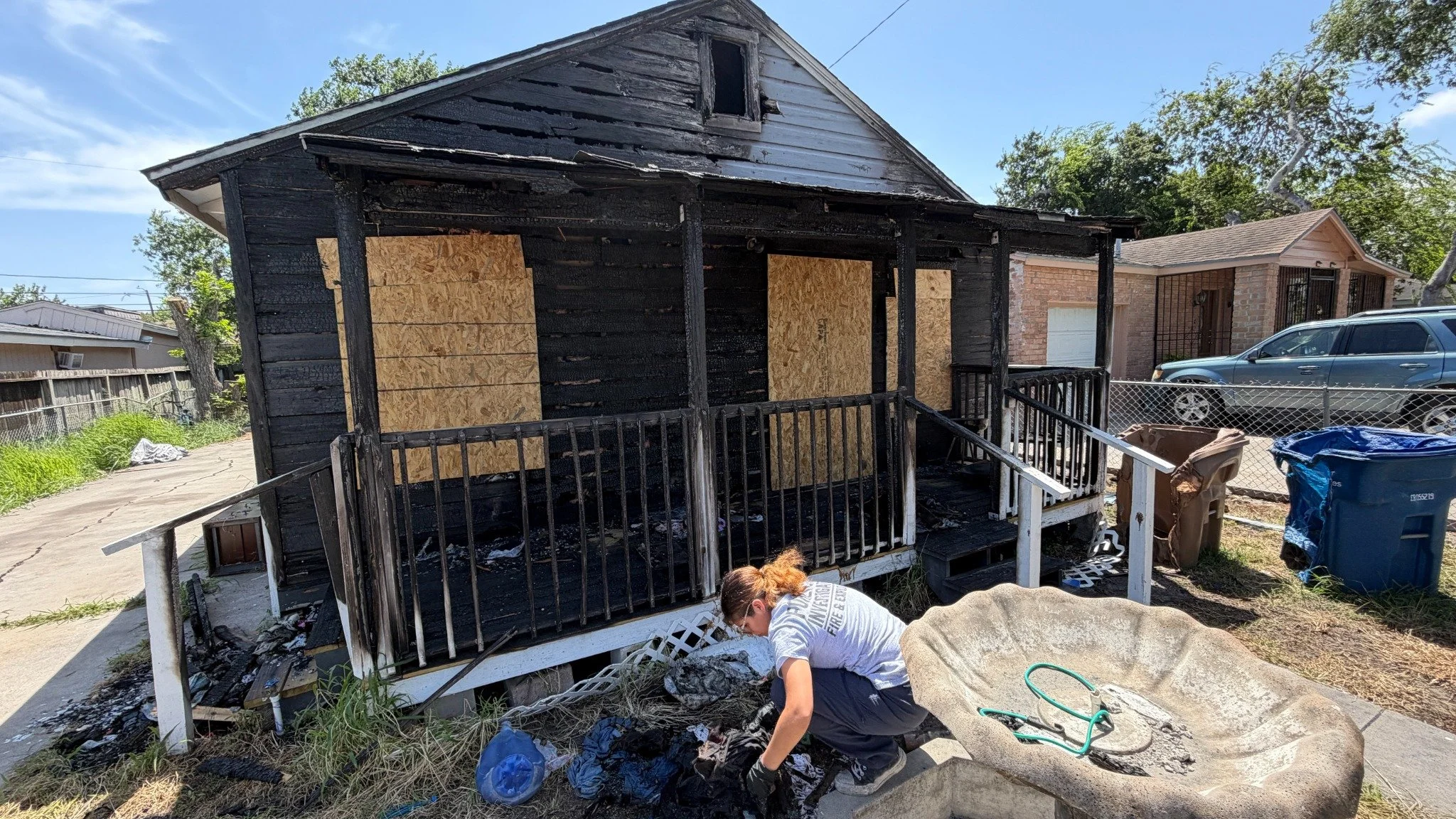
Document scene conditions, analyze fire patterns and dynamics, identify potential origin areas, and evaluate competent sources.
Hypothesis
Testing
Develop and test competing hypotheses against physical evidence, scene data, witness information, and alternate explanations.
Evidence &
Notice
Identify, document, collect, preserve, and coordinate physical evidence, joint examinations, and notice needs when warranted.
Findings &
Reporting
Communicate preliminary findings, explain limitations, identify technical next steps, and deliver clear, evidence-based reporting.
Fire & Explosion
Losses Across
Property & Risk
Categories.
Clear
Findings.
Practical
Direction.
Continued
Support.
The assignment does not end when the scene examination is complete. Vector remains available to explain the findings, coordinate preservation, address technical next steps, and support recovery, defense, or litigation as the claim develops.
Prompt Deployment
Timely acknowledgment, outreach, scheduling, and scene response across Texas and throughout the nation.
Appropriate Scope
Investigative scope and budgets matched to the claim question, exposure, and preservation priorities.
Clear Status
Direct investigator access, prompt preliminary findings, and proactive updates throughout the assignment.
Evidence-Based Delivery
Recognized methodology, disciplined analysis, stated limitations, and clear reporting grounded in the evidence.
When the Fire Raises Questions.Put Vector on the Assignment.
Contact us before the scene changes.
We can discuss scope, response timing, and preservation needs,
along with involved parties, technical questions, and budget.